Where the margins lay, the night turned
 CBTF
CBTF
 Feb 26, 2026
 06:35:00
This was the most the ball has spun in this T20 World Cup. And the second-most it has swung. Conditions were sticky. Boundaries, vast. Getting the ball off the square wasn't easy, let alone clearing ropes that stretched beyond 75 metres on one side.
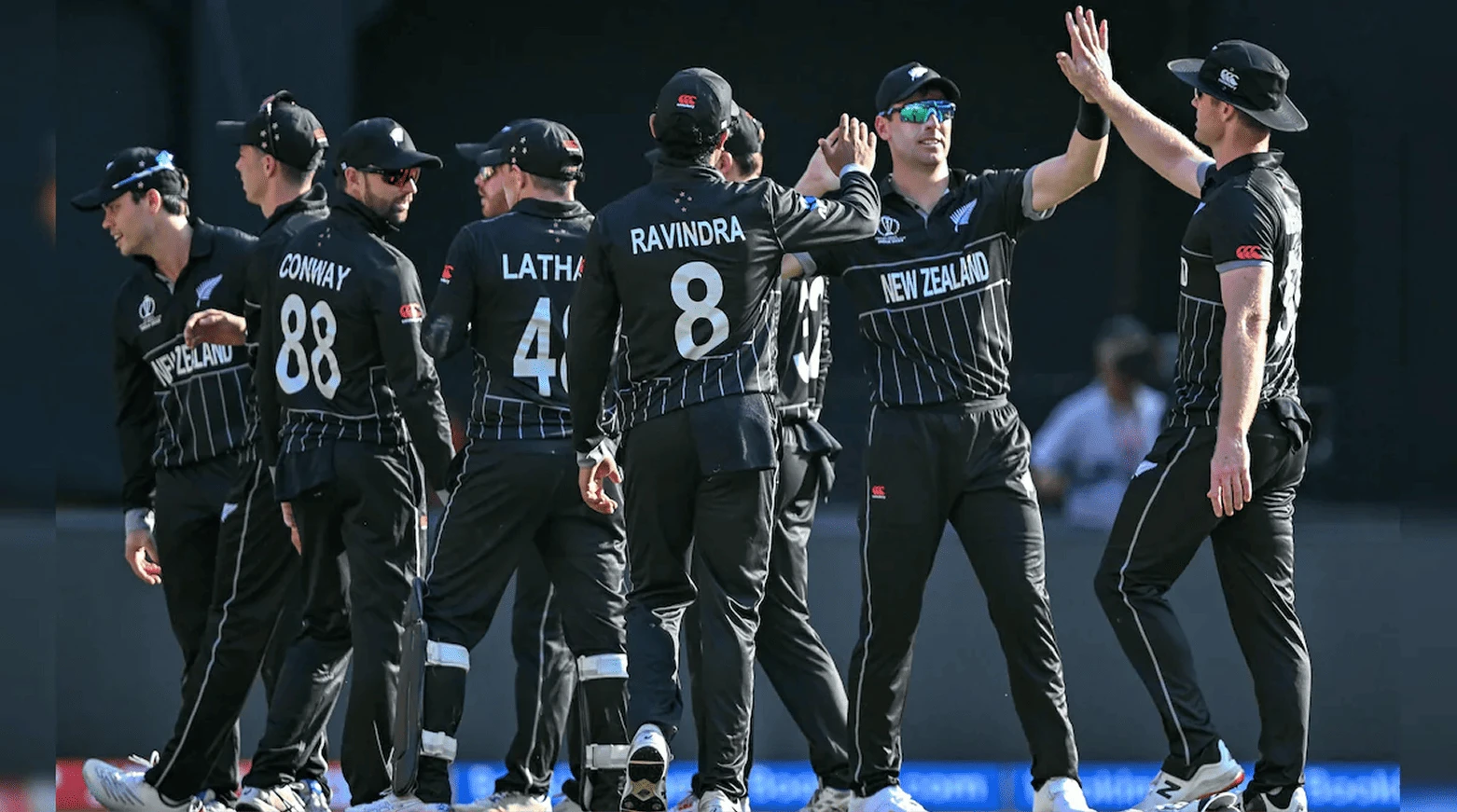
New Zealand, asked to set a target, weren't thinking big. "We were probably discussing 150," Rachin Ravindra would say later. They ended up with 168 for 7.
The drama lay in how Mitchell Santner and Cole McConchie, joining hands at 84 for 6, pulled New Zealand out of the mire and lifted them to that total which, once on the board, enhanced their reputation and virtually ended Sri Lanka's World Cup campaign before the chase had even begun.
Both admitted later they were a bit "nervy" early on. Santner was 3 from 8 balls. McConchie was 3 from 11. You could not blame them. The more accomplished batters had struggled too. Finn Allen was undone by a carrom ball that gripped. Mark Chapman fell to a beautiful offbreak that turned past his forward defence. Daryl Mitchell was beaten by a left-arm orthodox delivery that did not spin. Those who survived the spin were hurried into mistakes by Dushmantha Chameera's pace.
A well-timed drinks break allowed recalibration. Santner has batted in these conditions. As he said post-match, starting here was not easy. The hard part, perhaps, was done. With five overs left, the aim was simple. Impose themselves a little. Or "be proactive against spin" in McConchie's words.
It took ten balls after the restart. On the eleventh, McConchie shuffled across and swept past short fine leg, breaking a stretch of 33 balls without a boundary. "If we looked to stay in the crease and just play from the crease, it was always going to be a tricky wicket," McConchie explained. "I think the inner-ring fielders were really squeezing us, bowlers were putting down some really good stuff, so we talked about sweeping or using the feet, coming out of the crease or getting right back, so just looking to be a little bit more proactive and that kind of got our partnership underway really."
Sri Lanka had been sharp with their fields all evening. Attacking. At times funky. Always searching for a wicket. Dilshan Madushanka began with a short mid-off. Dunith Wellalage bowled with deep mid-wicket several yards in from the 75-metre boundary. There was almost always extra protection for the shorter 62-metre side.
"In terms of fields," Ravindra said, "definitely I think Sri Lanka were amazing through that middle and put a lot of pressure on us. And for us it was trying to squeeze when we can, when there's a new batter trying to make sure there's a couple of dots, string them together, creates a bit of pressure on these services."
What New Zealand had been waiting for was pace. And eventually, Sri Lanka gave it to them. Three of the last four overs were handed to seamers.
From McConchie's end, the shorter boundary sat square on the off side. That mattered. It meant he could take calculated risks, free his arms and swing into the leg side with margin for error. When Chameera went full and fast, McConchie picked him up over mid-wicket. When the slower ball came, he was ready for that too. The intent did not change, only the timing.
When Chameera shifted around the wicket, the angle changed and so did the option. Hitting along the ground towards the bigger side of the field became the higher-percentage play. McConchie adjusted, stayed balanced, and pierced point.
Santner read it just as quickly. Maheesh Theekshana was spinning the ball away from the left-hander into the longer boundary. Santner cut when it was short, along the ground. When it was fuller, he anticipated the correction and was set for the slog sweep into the shorter leg-side pocket. The next ball, under pressure, was a full toss. That disappeared too.
Two overs brought 39 runs. New Zealand were suddenly 137 for 6.
Sri Lanka persisted with pace at the death, backing the bowlers who had delivered in previous games. But execution faltered. Madushanka missed wide yorkers and strayed into Santner's arc. Chameera could not quite nail the blockhole. A slow over-rate penalty reduced the boundary riders to four. On a ground where one side was already inviting, that margin was decisive.
"It's just about, again, that communication and almost trusting your swing," McConchie said. "You don't have to, on a shorter boundary like that, you don't have to get full contact, but it's important that you're in a good position and you're not trying to manufacture it. So we just talked about being in a strong position, getting the body in a strong position and trying to get into line with the ball.
"I think if we were doing too much with our hands out there, we'd get ourselves into a bit of trouble, but as I say, that's clarity of comms from Mitch out there and he was fantastic to bat with and the way that he struck the ball in those last few overs was as good as anything going around."
There were also 16 singles and four twos. Hard running. A 47-ball partnership built first on survival, then acceleration.
"I think they both realised in terms of the wickets that we had," Ravindra said, "and it was awesome to have a left-right as well and it looked like they targeted that shorter side and ran really hard and it's obviously something we pride ourselves on as a New Zealand team, being able to be malleable and being able to do different things in different pressure times.
"I think we're definitely a bit nervous in the dugout and then we saw how they absorbed and absorbed and absorbed and just applied pressure back at the right time."
Dasun Shanaka had his reasons for turning to pace at the back end. "About the death-over plans, everyone saw what Dushmantha Chameera and Dilshan Madushanka did in the last two matches," Shanaka said. "There are days that things get wrong. Even they do well when the execution is done correctly. I think those are the best two bowlers we have at the moment. Maheesh also bowled well until the fourth over. Can't help. Because everyone knows, I know they also have a plan to execute. It's a day like that. When the last four gets up to seventy, we couldn't reach the game with that momentum."
Plans were there. Execution wavered. "We tried to execute wide yorkers and Mahesh, he was, I think, got a bit panicked after getting three wickets," Shanaka said. "So, it's totally a mental thing. As a player, he must control. Not that the captain or the other players ask him to bowl. He's good enough and he has shown enough. In previous occasions he has delivered that super over and won the game for Sri Lanka as well. And two games back in that Australian game, I think the 19th over he bowled for two runs. So, the plans, they know what to execute in a game. So that's about the mentality and the situations that they misread sometimes."
New Zealand found a way. It was not easy. They had arrived from India and waited a week to play. A bit of rust would have been understandable. A slow start excusable. Instead, they absorbed. They recalibrated. They struck.
And in doing so, they didn't just post 168. They changed the shape of the night.